
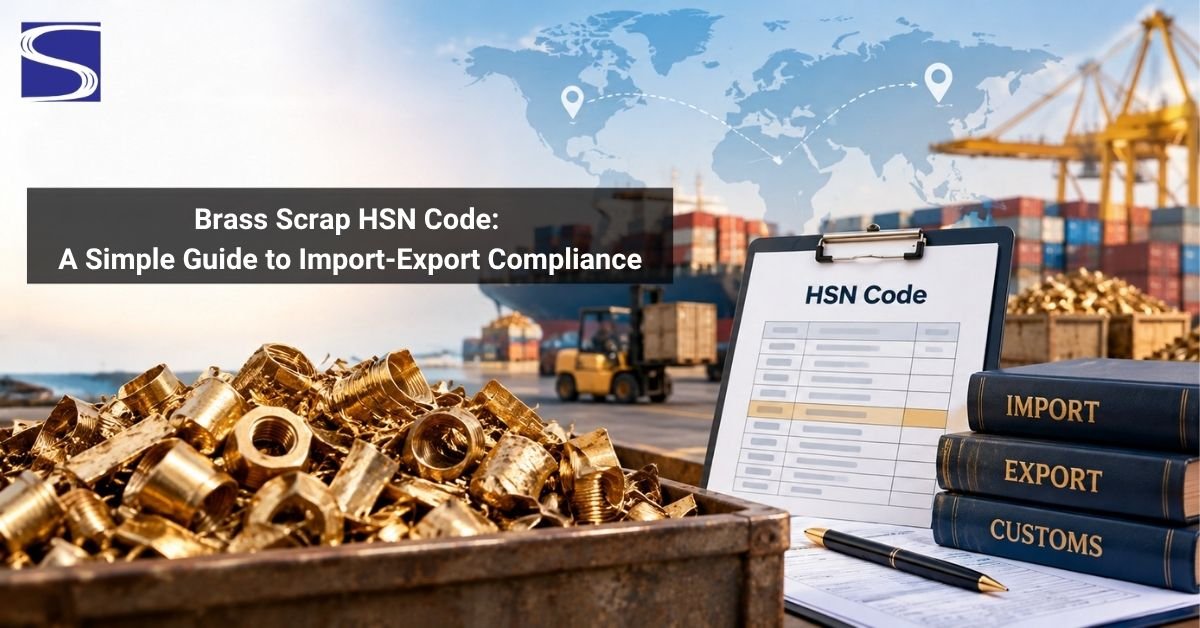
Every month, tonnes of brass turnings, old fittings and used valves move between Indian ports and buyers abroad. Before any of it leaves the yard, one small number has to be right on the paperwork: the brass scrap HSN code.
Get it wrong and the shipment can sit at the port, the GST credit can get stuck, or customs can ask for a fresh assessment. Get it right and the whole process feels routine.
This guide breaks it down for traders, recyclers and manufacturers. Most of this scrap actually comes from factories that make Brass Turned Parts, where turnings and offcuts pile up daily and are sold back into the recycling chain.
What Is Brass Scrap and Why the Code Matters
Brass scrap is any brass that has finished its first life. It can be fresh offcuts from a CNC shop, mixed old taps and faucets, or radiator scrap from auto workshops. All of it goes back to a furnace and comes out as new brass rods or ingots.
The tricky part is that scrap comes in many forms, and customs treat each form a little differently. That is why knowing the exact hsn code of brass scrap matters. The code tells customs what you are shipping, which duty applies, which GST rate to charge and whether any extra checks are needed.
Think of the brass scrap HSN code as the identity card of your shipment. A wrong card means questions, and questions mean delays.
Brass Scrap HSN Code: The Main Numbers
All copper waste and scrap sits under Chapter 74, heading 7404. Inside it, brass has its own tariff lines. For most traders, the brass scrap HSN code they need is 74040022, which covers named grades of brass scrap that follow ISRI trade names.
Some common grades covered under this line are:
- Honey: yellow brass scrap, the most traded grade
- Ivory: yellow brass castings
- Label: new brass clippings
- Nomad: yellow brass turnings
- Night: yellow brass rod turnings
- Grape: cocks and faucets scrap
- Melon: brass pipe scrap
If your material does not match any named grade, it usually goes under 74040029, which covers other brass scrap. So the scrap brass hsn code is not always one fixed number. It depends on what is in the lot.
Here is a quick example. A Jamnagar recycler ships 20 tonnes of clean rod turnings. That fits the Night grade, so the hsn code for brass scrap here is 74040022. Mixed turnings with iron and dirt, however, may not fit any named grade, and the trader should discuss 74040029 with the customs broker.
This trade is a big reason India has become a trusted name in Global Brass Component Supply, because a steady flow of recycled brass keeps raw material costs in check.
Import and Export Compliance Rules
Correct paperwork is the backbone of any scrap shipment. Before you book a container, sit down with your CHA and list every document the lot will need, so nothing is missed at the last minute.
For imports into India, metal scrap usually needs a Pre-Shipment Inspection Certificate (PSIC) from an approved agency. This certificate confirms the material is free from radioactive content, explosives and hazardous waste. Without it, the cargo can be held at the port.
On the GST side, brass scrap generally attracts 18 percent. Using the right hsn code for brass scrap on the invoice keeps your input credit clean and matches what the buyer files.
Customs duty rates for scrap can change in the Union Budget. So check the current rate on ICEGATE or with your CHA before you quote a price. Also, write the same scrap brass hsn code on the invoice, packing list and shipping bill, because mismatches between these papers are one of the most common reasons for queries. A clear guide on Export Documentation shows how these papers should line up before the container leaves.
One practical tip for importers: ask your overseas supplier for clear photos and a grade declaration before loading. If the photos show oily turnings mixed with steel, sort it out before the container is sealed. Raising it after the cargo lands at Mundra or Nhava Sheva costs far more time and money.
HSN Code of Brass vs Brass Scrap
Many people confuse the two. Brass doesn’t have just one code, because finished brass and scrap brass sit in different places in the tariff.
For example, unwrought brass ingots fall under 740321, brass rods and bars under 740721, and brass tubes under 741121. Finished brass articles can go under 7419. Scrap stays under 7404.
So when someone asks for a brass code, the first question should be: is it raw metal, a semi-finished shape, a finished part or scrap? The answer decides the code. A Rajkot trader buying brass rods for a workshop and a Jamnagar recycler selling turnings may both say “brass”, but their invoices will carry very different numbers.
Common Mistakes to Avoid
Most problems with the brass scrap HSN code come from small slips. Watch out for these:
- Using a general Chapter 74 code instead of the full 8-digit line
- Calling mixed scrap a named grade when it does not match
- Skipping the PSIC for imported scrap
- Writing different codes on the invoice and shipping bill
- Ignoring moisture, oil or iron content in turnings
- Quoting duty rates from an old budget year
A good habit is to keep a short note for each lot with its grade, the hsn code of brass scrap you used and photos of the material. If customs raises a query months later, you have everything ready.
If you are also sourcing finished components alongside scrap trade, it helps to work with established Brass Parts Exporters in Jamnagar who understand both sides of the business and can guide you on classification.
Conclusion
The brass scrap HSN code looks like a small detail, but it shapes your duty, GST, inspection needs and clearance time. Match your material to the right ISRI grade, use the full 8-digit code, keep every document consistent and confirm current rates before you ship, because a few minutes of checking can save days at the port.
FAQs
Most named brass scrap grades like Honey, Ivory and Nomad fall under 74040022. Other brass scrap that does not match these grades usually goes under 74040029.
No, the same 8-digit code is used both ways. What changes is the paperwork, such as the PSIC needed for imported scrap.
Brass scrap generally attracts 18 percent GST. Check the latest CBIC notifications before billing, as rates can be revised.
Both usually stay under 74040022, since turnings (Nomad, Night) and castings (Ivory) are named ISRI grades. Heavily mixed or dirty lots may need a different line.
No. Brass ingots, rods, tubes and finished parts each have their own codes, while scrap falls under heading 7404.