
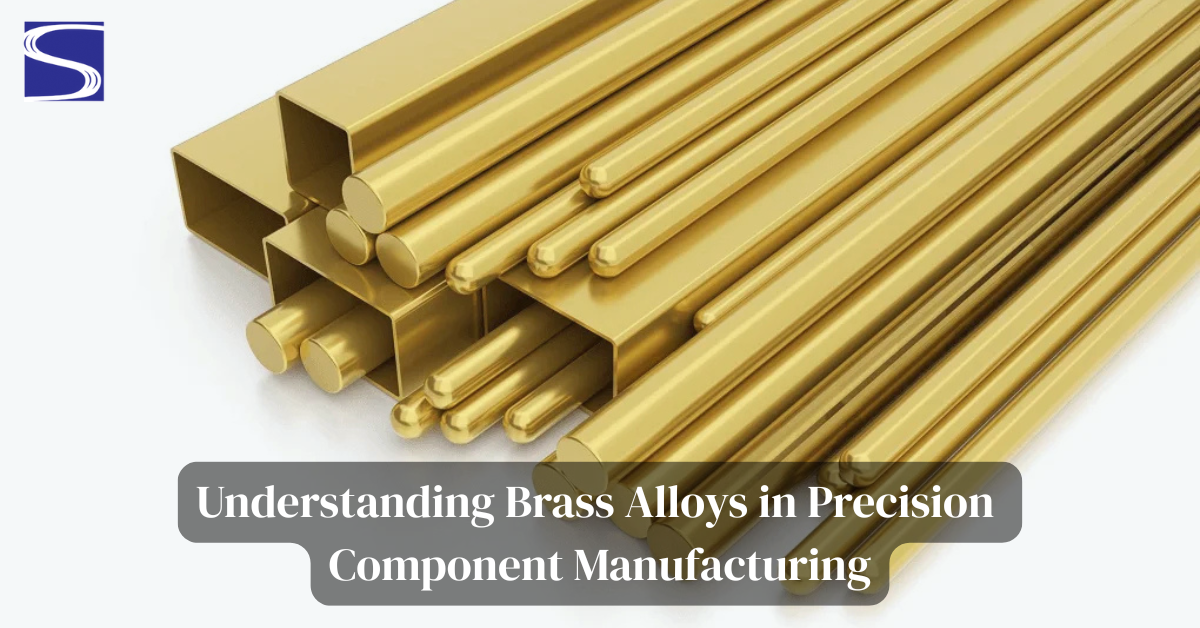
Brass Alloys and Precision Manufacturing
Brass micrometallurgy can be called an art and science combined. Precision engineering, performance, and durability of the product depend heavily on the brass alloys and the combination of metals in the field of engineering that is used. Certain engineering fields that work with brass-based alloys and materials are electrical, automotive, plumbing, and industrial. These fields have a high reliance on brass and its alloys to get the engineering work done. Almost every field of industrial engineering in today’s world has brass alloys incorporated to some extent in their engineering designs to get the perfect desired results.
Meeting mechanical, electrical, and environmental stress is crucial to precision component manufacturing. Brass alloys manufacturer Saryu Industries produces high-quality brass components and is one of the many global standard suppliers in the electrical, automotive, plumbing, and industrial markets.
What Are Brass Alloys?
Brass and Alloy Basics
Brass alloys are combinations of different metals with the principal components being copper and zinc, and they are proportioned to achieve desired attributes. Adjusting the elemental ratios can strengthen, improve malleability and resistance to corrosion, and help with conductivity.
Brass and alloy element interaction is critical for engineers to tailor materials to different applications. Brass alloys are one of the reliable materials precision manufacturing can rely on, whether they are used in electrical connectors or mechanical fittings.
Brass Products and Alloys
Brass composition defines the performance for any alloy brass composition. The ratio of copper and zinc defines the brass’s hardness, level of machinability, and resistance to wearing down. Sometimes, to push performance standards even higher, other trace elements are included.
Thanks to a balanced alloy brass composition can ensure that the components maintain their dimensional accuracy even during machining and after they have been in use for a long time. It is critical to choose a specific type of alloy brass composition that has tight tolerances and needs to repeat the same function many times with great accuracy.
What is Corrosion Resistance Alloys
Mechanical and Chemical Properties
Most people define mechanical reliability as the ability of a material to withstand deformation and breaking while maintaining a fairly long operating time. This is one of the major advantages of brass. The brass alloys that are made with alloys in brass the overall wear resistance and lower the friction during use.
Maybe the biggest reason is the specific operating conditions that are exposed to humidity and are of a high temperature. This is another significant advantage for brass alloys. We’ve seen and continue to see the performance of brass alloys under highly demanding Industrial Conditions.
Performance of Brass Alloys
One of the other advantages of brass and alloy is their ability to withstand high degrees of temperature. The overall conductivity is one of the other great examples of performance within the brass alloy metals. Because of their ability to maintain and ensure a stable performance, brass components are widely included in terminals, connectors and contact points. Industrial parts such as brass bushes clearly demonstrate how brass alloys deliver durability, reduced friction, and extended service life in demanding environments, as explained in this detailed overview of brass bush for industrial use.
Brass Alloy Metals and Their Industrial Advantages
Brass Alloy Metals Overview
Brass alloy metals are special kinds of materials that are made to work better than a lot of pure metals in certain industries. Compared to aluminum and steel, brass can be more easily manipulated, and it can resist more corrosion while still holding its shape.
The unique and special nature of brass alloy metals means manufacturers can easily work with them and can work on different things in different industries.
Brass Alloy Metals Overview
Alloy brass metals allow faster construction; that means it also cuts more and lasts longer. Alloy brass metals also allow production speeds that can be described as hyper, and that also means more efficient production.
Brass alloy metals allow more stability while creating, and that can lead to more consistent finishes and measurements.
Precision Component Manufacturing at Saryu Industries
Expertise and Manufacturing Capabilities
Saryu Industries is outstanding at precision manufacturing and making new things with the latest CNC machines and better machines than most of the industries. Their work and reputation with brass alloys is trusted, and they are great at making sure their construction pieces are great in all the ways their clients want.
The company is consistent in making and processing large amounts of industrial materials and is great at choosing the alloys in brass, and that results in creating construction pieces that have great abilities, are accurate, and perform their tasks with great success.
Brass Parts Made to Order and Quality Control
We at Saryu Industries can make items that match the needs of our customers. Custom-alloy brass components to suit mechanical and electrical industrial applications are created. Intensive quality checks are conducted to ensure the brass and alloy mixtures are appropriate for the client and the component’s end-use.
Effect of Brass Alloys on Accuracy in Manufacturing
Precision, Accuracy, and Reliability
In the realm of precision engineering, minute discrepancies can be detrimental to the overall functioning of an engineered system. Use of brass alloys in engineering produces a consistent and reliable output with consistent minimal dimensional variations. The alloy brass stability in machining and the consequent low tool wear improve the reliable output recurrence.
Long-Term Performance and Cost Efficiency
Long lifecycle costs are associated with brass alloy metals, considering their durability. Brass alloys engineering components require high maintenance intervals and even with relatively low ongoing maintenance, standard operational performance continues to be achieved over a long duration.
Brass and Alloy Parts in Various Industries
Electrical and Electronics Industry
In terms of electrical industry components, brass alloys are frequently and widely used in electrical connections, terminals, and charging pins for their high durability and outstanding conductivity. Stable electrical contact is achieved with alloy brass composition of the appropriate grade.
Automotive and Mechanical Fields
In automotive applications, alloys in brass are used in fittings, fasteners, and precision mechanical parts subject to thermal and vibration stresses. Components such as brass inserts play a crucial role in enhancing joint strength, improving thread durability, and ensuring secure assembly in plastic and metal housings. The use of alloy brass in these applications improves structural integrity while maintaining accuracy and long-term performance across demanding mechanical systems.
Brass and other Alloy Valves, Fittings, and Fluid-Handling Components
Brass and alloy are preferred for valves, fittings, and other fluid-handling components because of their corrosion resistance.
Questions and Answers (FAQs)
What are brass alloys, and why are they utilized to make precise parts?
They are copper-zinc-brass alloys engineered to provide strength, corrosion resistance, and easier machining, thus making them great for precision components.
How does alloy brass composition affect the performance of components?
The alloy brass composition determines the degree of hardness and the conductivity of the alloy, which in effect determines the durability of the alloy and other parameters crucial to the operation of the component.
What advantages do brass alloy metals possess over other materials?
Compared with so many other metals, brass alloy metals provide better and easier machinability, uniform consistency, and durability.
Conclusion
Brass alloys are crucial for the manufacturing of precision components in various fields ranging from electrical systems to mechanical systems. Adaptability, Strength, and reliability are the reasons alloys in brass are so much in demand. Saryu Industries has alloying in brass, brass alloy metals, and tailored manufacturing to ensure precision components are available to meet the needs of every industry across the world.